Education, research and professional training in physical protection and nuclear material accounting and control.
Mission and objectives
The centre develops nuclear security education and brings together research expertise to help protect critical infrastructure. It supports master’s-level training in physical protection and nuclear material accounting and control.
- Theoretical and practical student training, including research for bachelor’s and master’s theses.
- Awareness of radioactive materials and the facilities that handle them.
- Scientific and technical support for institutions working with nuclear energy.
- Development and assessment of nuclear security culture.
- Cooperation with the IAEA and other international organisations on research, educational resources and security practice.
Two teaching facilities
Physical protection systems
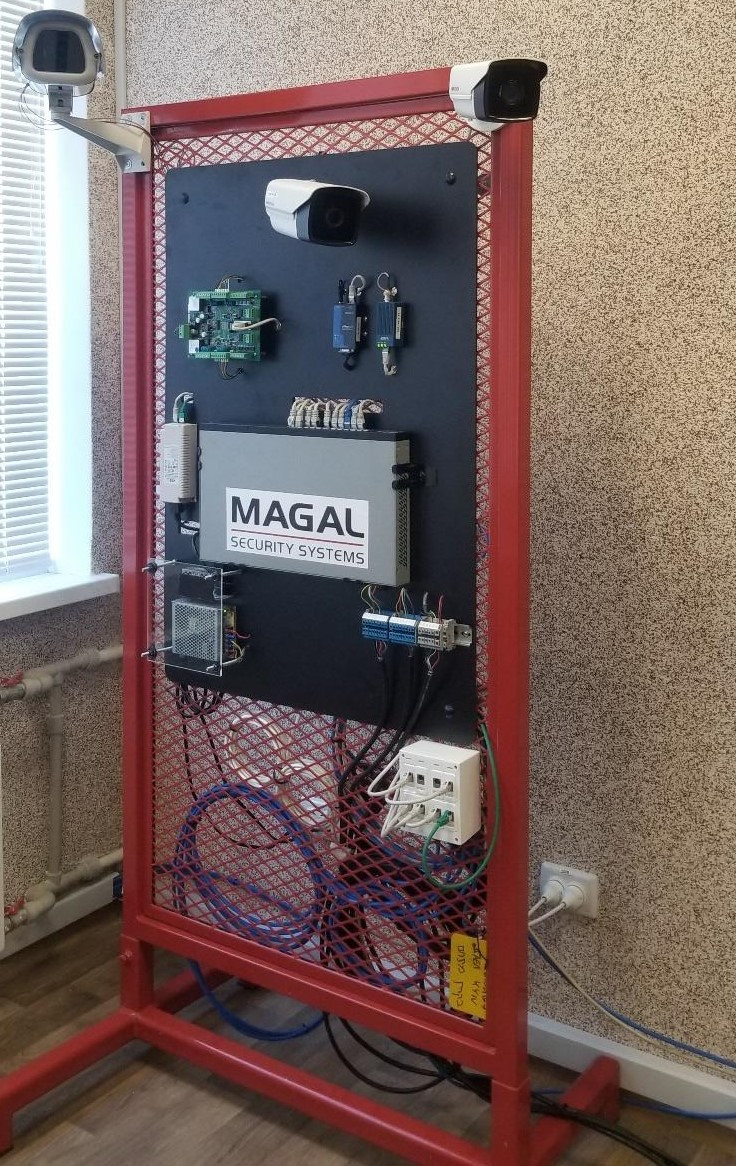
Interactive models for laboratory work, practical classes and research into intrusion detection, video surveillance and access control.
Computer modelling
Engineering calculations, three-dimensional modelling, cluster computing and 3D printing to visualise results.
Physical protection training facilities
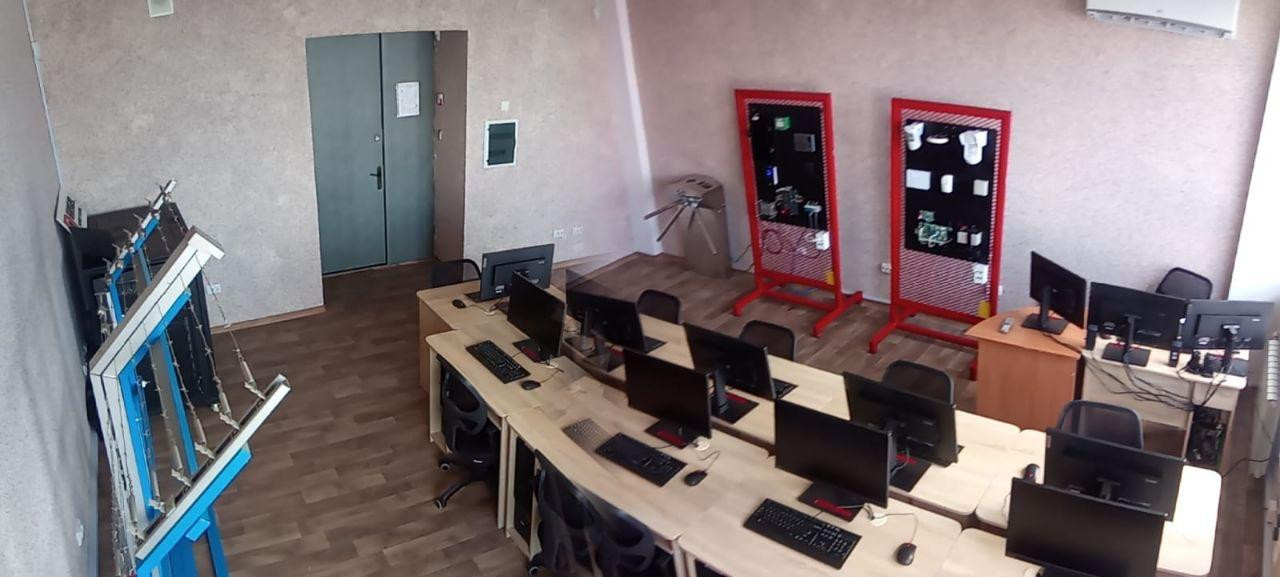
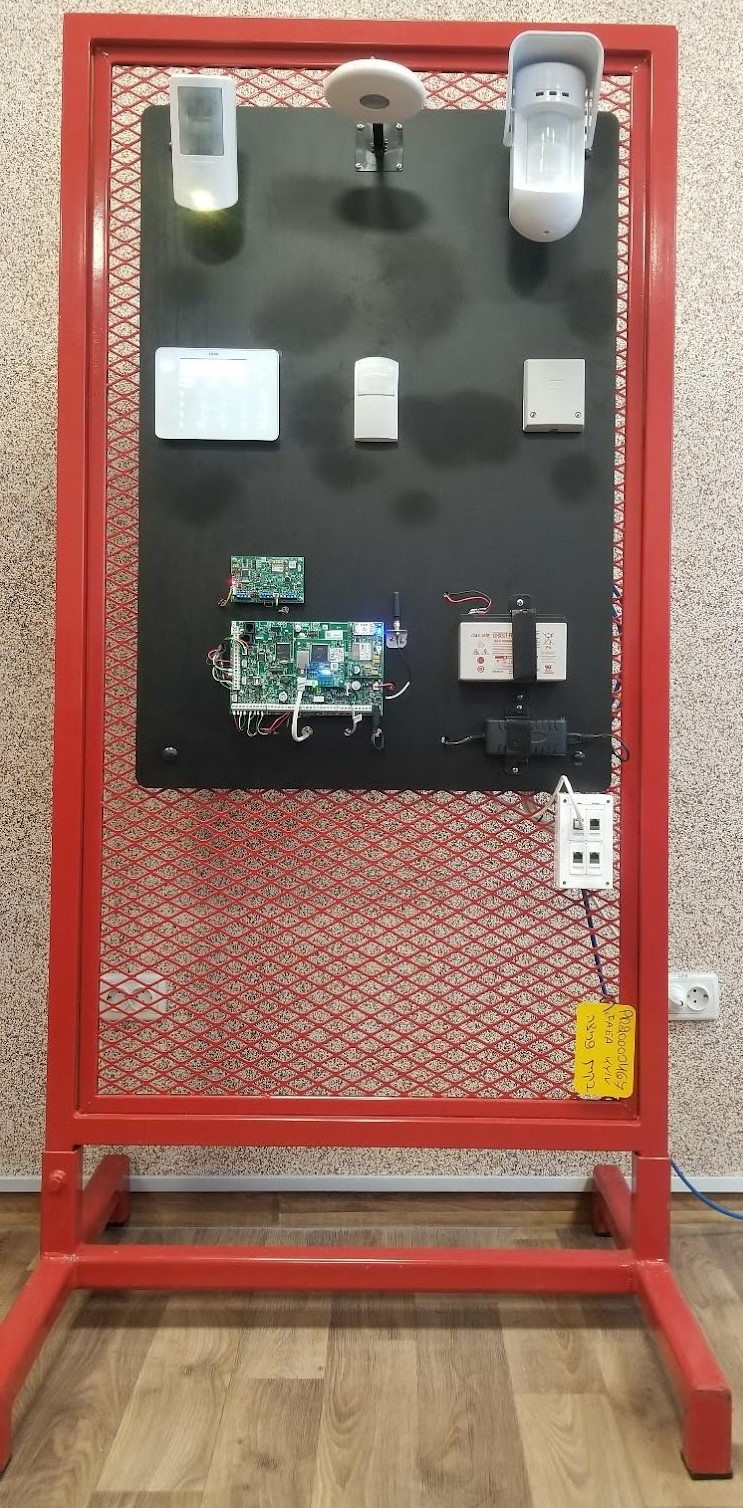
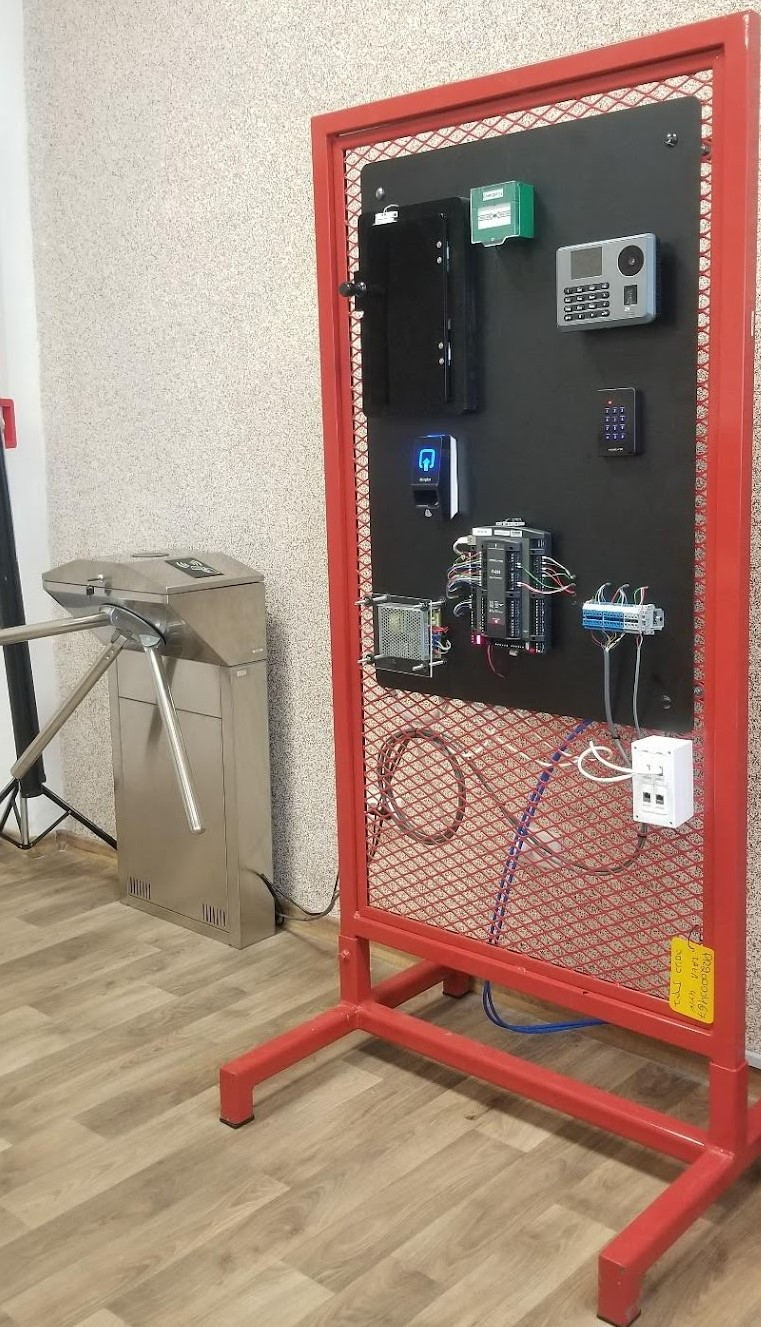
The facility was established through a technical assistance project between the IAEA and Igor Sikorsky KPI, implemented by MAGAL Security Systems. Teaching stands integrate detection, access control, video surveillance, alarm assessment and communications.
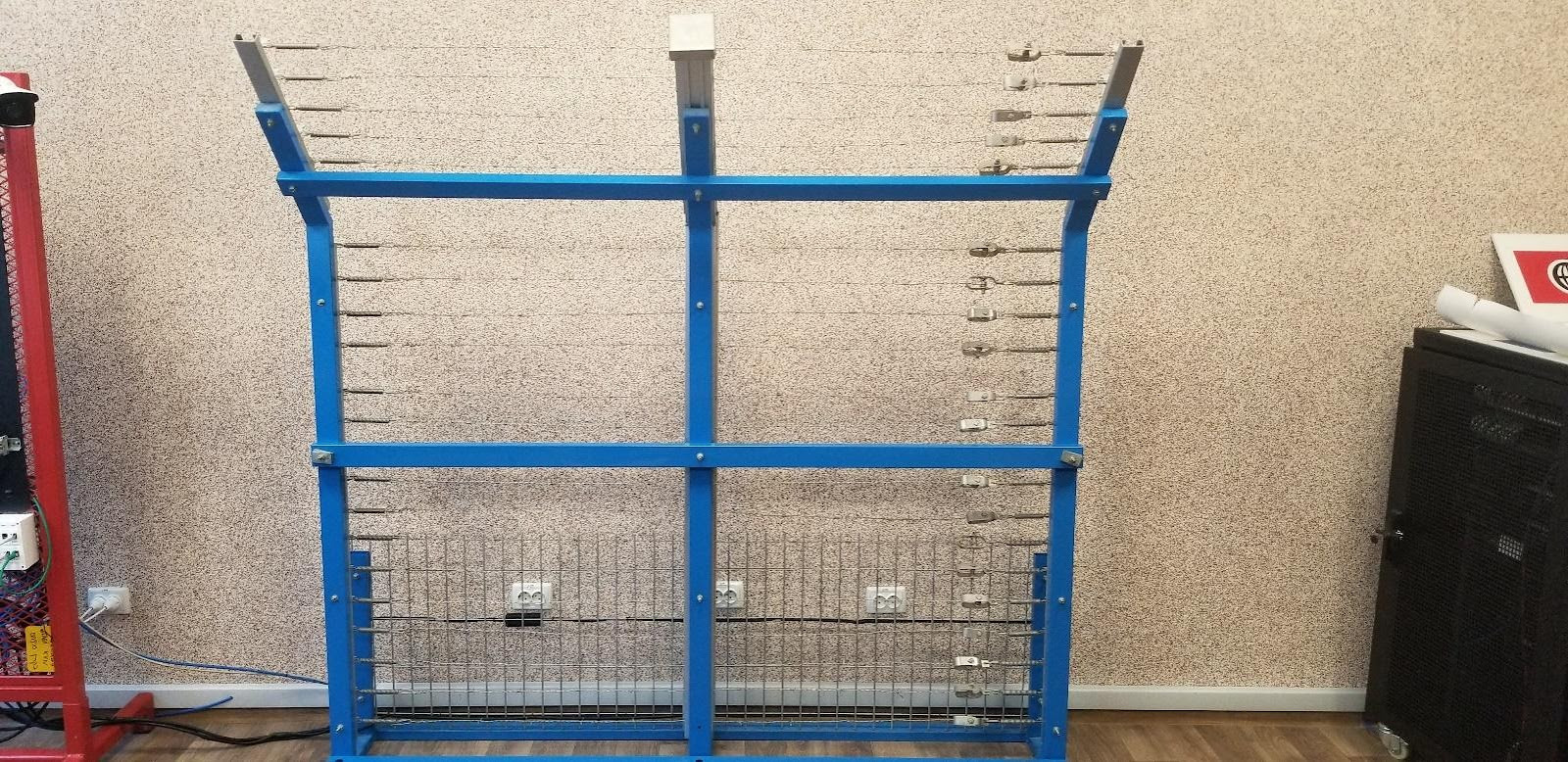
- Detection: a model perimeter fence, taut-wire, seismic, infrared and combined sensors.
- Access control: card and biometric readers, network controllers, a model door, actuators and a tripod turnstile.
- Video surveillance: analogue, digital, thermal and pan-tilt-zoom cameras, video analytics and switching equipment.
- Integrated management: FortisX, AxTraxNG, MorphoManager, Senstar Network Manager, Symphony and other licensed software.
Practical work covers subsystem design, sensor settings, detection zones and probabilities, personal identification, access rights, surveillance coverage, video analytics, alarm assessment and responses within the teaching facility.
Computer modelling
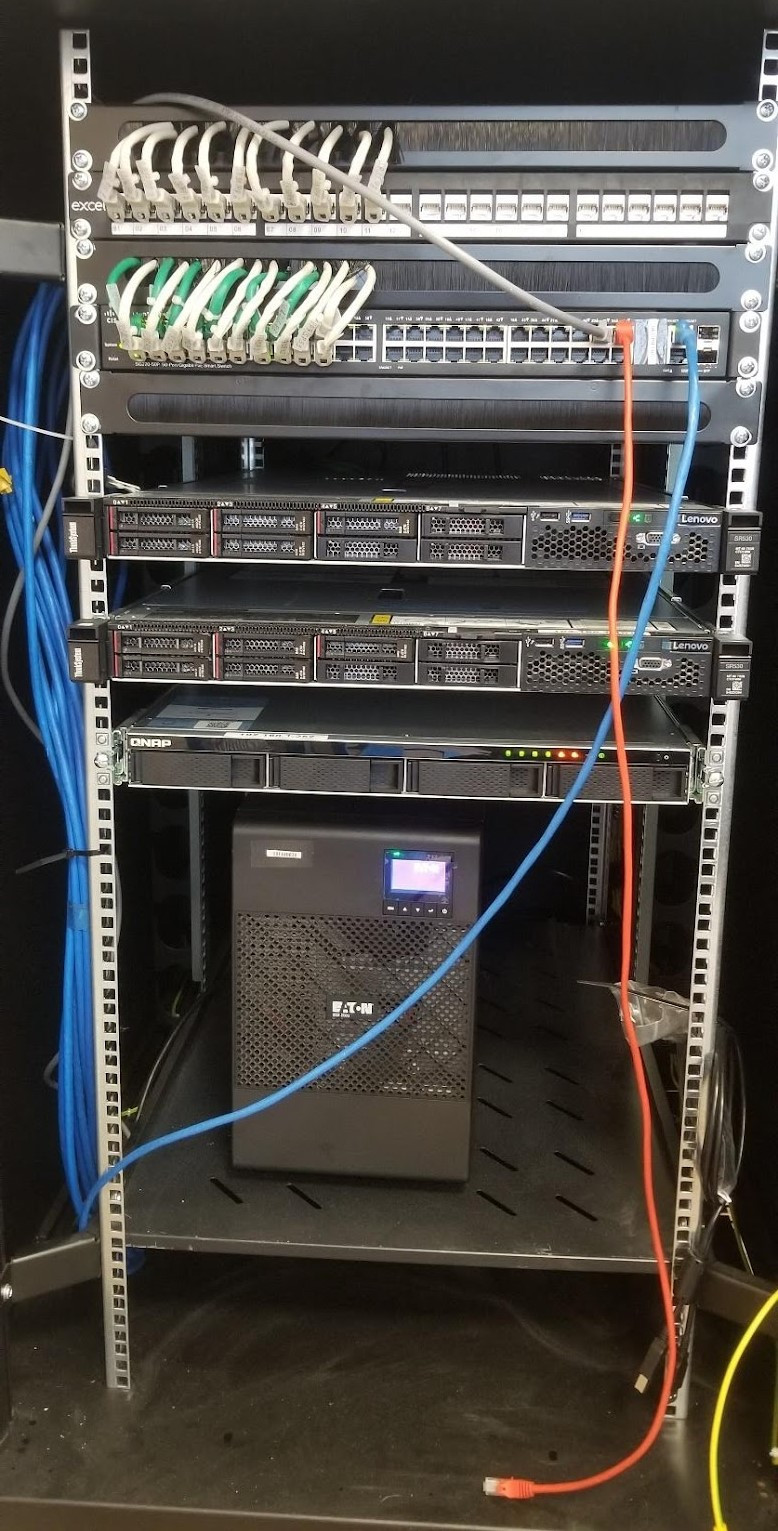
This facility was established with support from the Swedish Radiation Safety Authority (SSM) and Canada’s Department of Foreign Affairs, Trade and Development. It comprises 20 workstations, a server, a local network and a 3D printer.
Research topics include heat and mass transfer, reactor kinetics, neutron-physical characteristics of reactor cores, operating conditions and equipment reliability. Three-dimensional modelling and cluster calculations support this work. Software includes AXIS Site Designer, CCTV Design Tool, ENDSTAR, Autodesk, SolidWorks, iVMS-4200, WinSpectrum, EASI70r and Neutralization.
Teaching equipment